By Diana Narasaki Trujillo
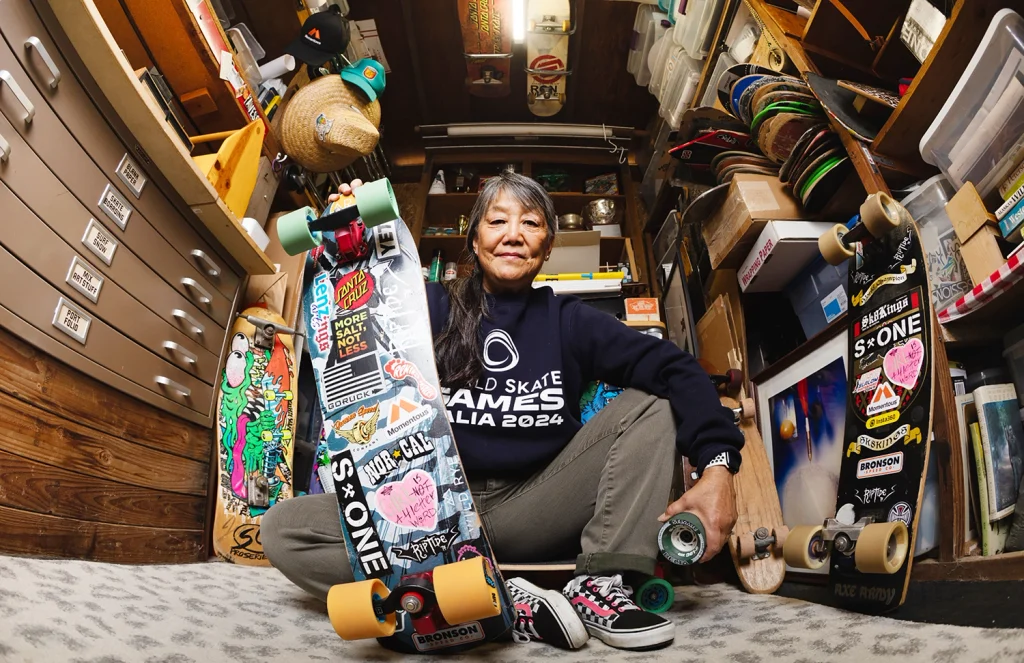
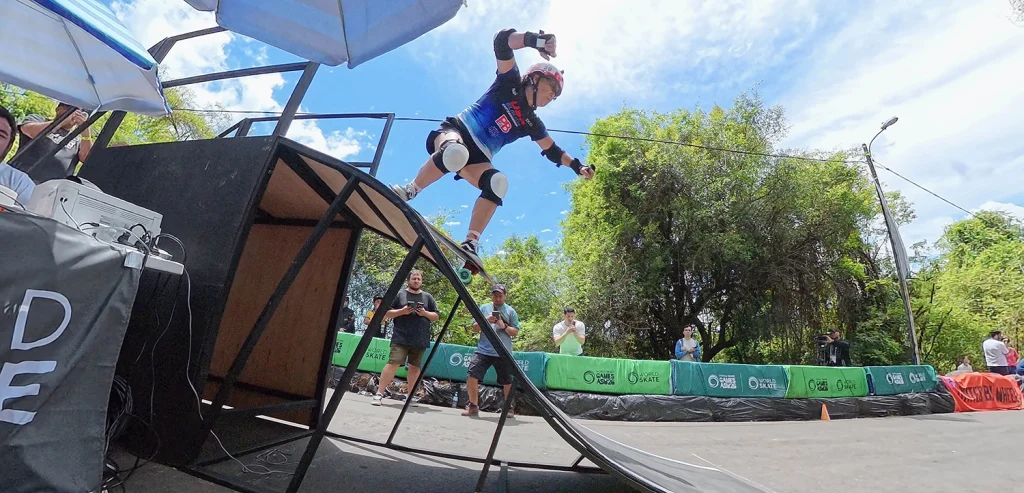
Known for her lifelong dedication to skateboarding, Judi Oyama continues to compete internationally at age 67, most recently qualifying for the World Skate Games in Paraguay. But Oyama wants the world to know that there is more to her than skate decks, bearings, and trucks.
Having grown up in the Aptos–Santa Cruz area, Oyama was a child of both land and sea. She rode the waves of the Pacific Ocean and the pavement of her hometown. Her skateboarding journey began at age 13, when her brother brought home a skateboard he had made in his school woodshop class. He let Judi take turns riding it up and down their driveway, sparking an interest that would become a lifelong passion. She soon bought her own board and began honing her skills.
At 15, Oyama approached Richard Novak and Jay Shuirman, the owners of Santa Cruz Skateboards, and told them she wanted to join their sponsored team.
“Okay, let’s see you skate,” they told her. What followed was an impromptu audition and Oyama rose to the challenge and earned sponsorship from the store.
Today, she remains friends with Novak, who has continued to support her skateboarding career.
Oyama specializes in slalom racing, a discipline that involves navigating a course of cones with speed and precision. She says the only significant lull in her skateboarding career came during the 20-year period when slalom was dropped from competitions.
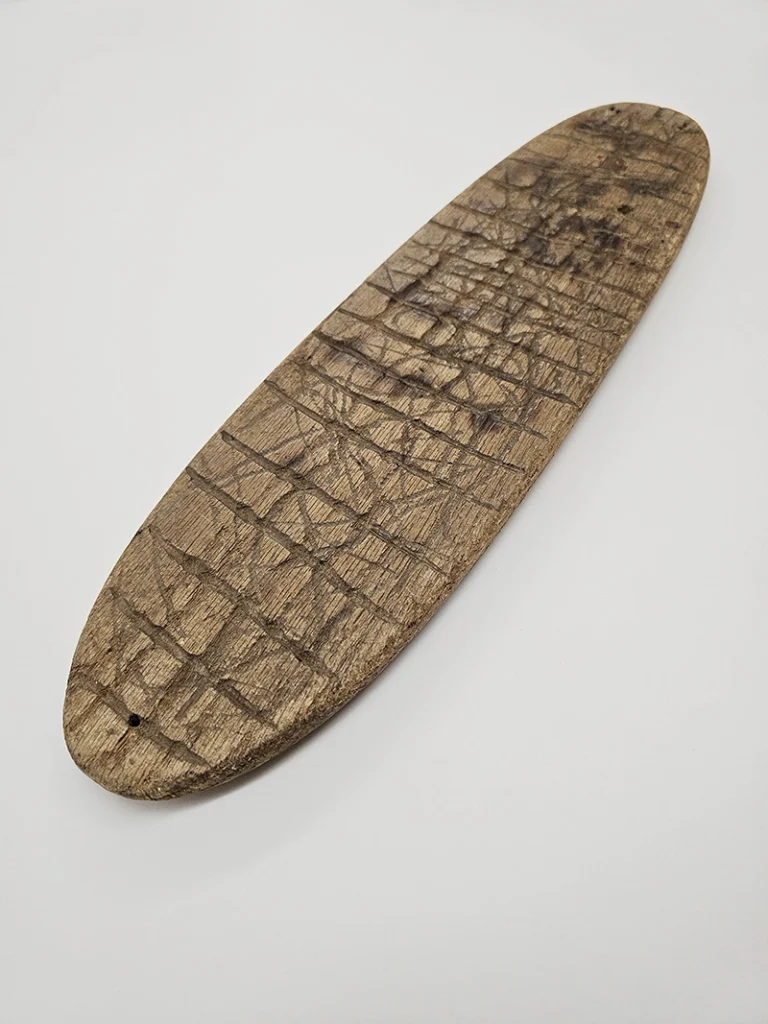
As skateboarding evolved, so did the places and styles associated with the sport. In the early days, skaters often practiced in emptied swimming pools and skate parks. As some of these spaces were repurposed for storage units and other commercial uses, skateboarders increasingly took to streets, stairs, rails, and curbs, developing more technical styles of skating.
As Oyama explained the different disciplines, she pointed toward a corner of her yard where a halfpipe stood partially hidden from view. The ramp is used for vert skating, a style that involves performing tricks on curved ramps. On some days, she invites friends, who are fellow skaters over to enjoy a vert session together.
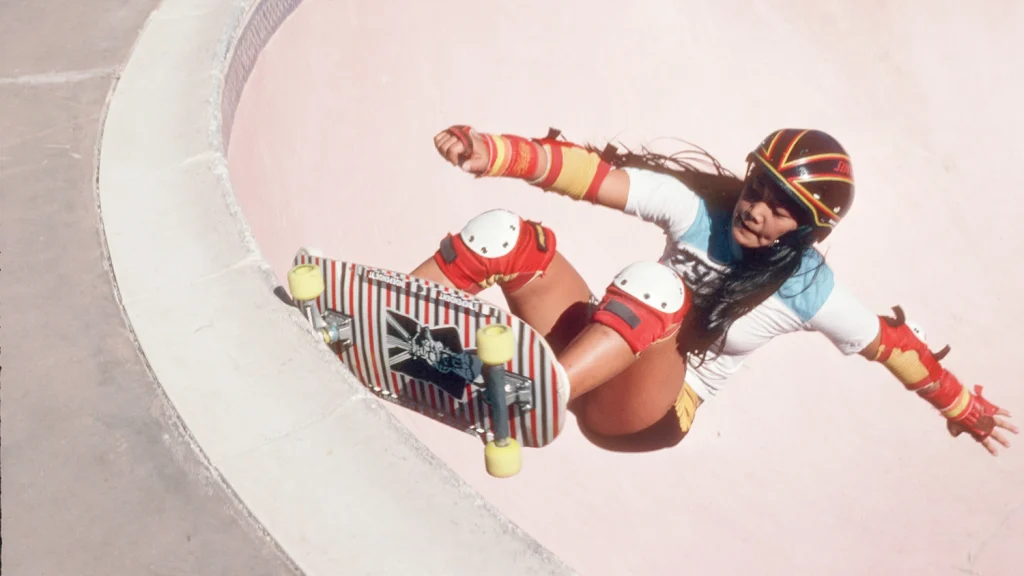
Looking back, Oyama recalls the challenges she faced along the way, wondering whether being a woman or a minority contributed to some of them.
“I was looked over, passed over, by professional photographers, other competitors, and some groups, so I had to fight for myself from a young age,” she explained.
She encountered these challenges not only in skateboarding but also in surfing and the graphic arts industry. Those experiences have helped shape her commitment to supporting the next generation.
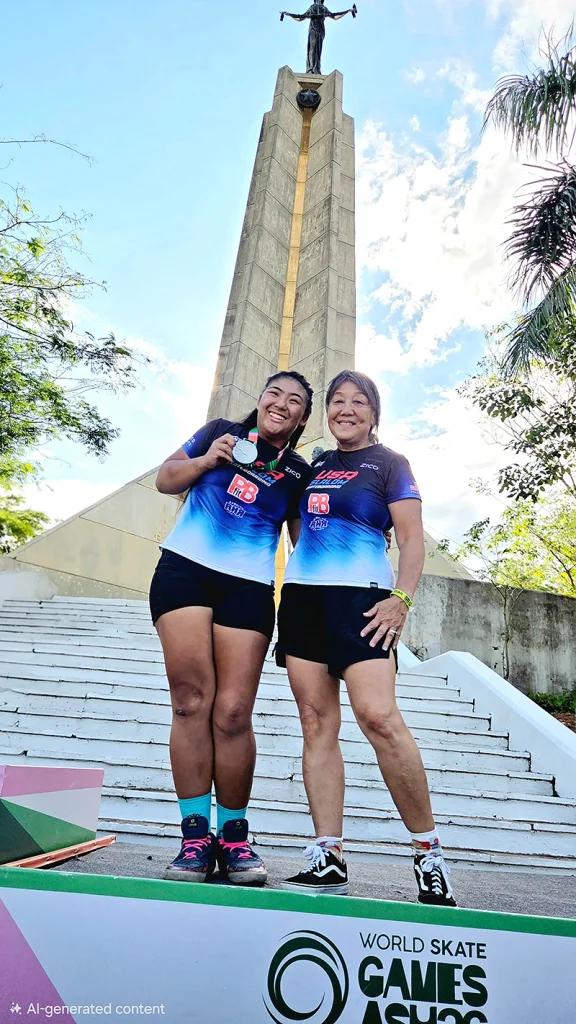
Today, Oyama coaches and mentors Leiola, an 18-year-old female skateboarder from Campbell, hoping to help her navigate around some of the obstacles she faced herself. Oyama believes experienced skaters have a responsibility to encourage younger athletes if the sport is to continue thriving.
“It’s kind of crazy to think that I’m skating with someone at that young of an age!” she said.
The two travel to competitions together as part of a team representing Northern California skateboarding. Oyama’s encouragement appears to have made an impression on her young teammate, who hopes to mentor others entering the skateboarding community herself.
Still Rolling: From Argentina to Paraguay
When asked whether she was ready to hang up her competitive skateboard, Oyama recalled thinking that Argentina would be her final competition.
“Okay, I’m wrapping it up,” she remembered thinking. “But then I qualified for Italy.”
At the 2024 World Skate Games in Italy, at age 65, Oyama set a Guinness World Record as the oldest competitive female skateboarder.
“I had met Leiola before Italy, so I wanted to go and help her out there. And then everyone started talking about Paraguay, but I wasn’t really listening or paying attention. Well, then I found out I had qualified for Paraguay.”
And just like that, her competitive career continued. The day after this interview, Oyama was preparing to leave for the World Skate Games in Paraguay at age 66.
An Artist Beyond the Skate Park
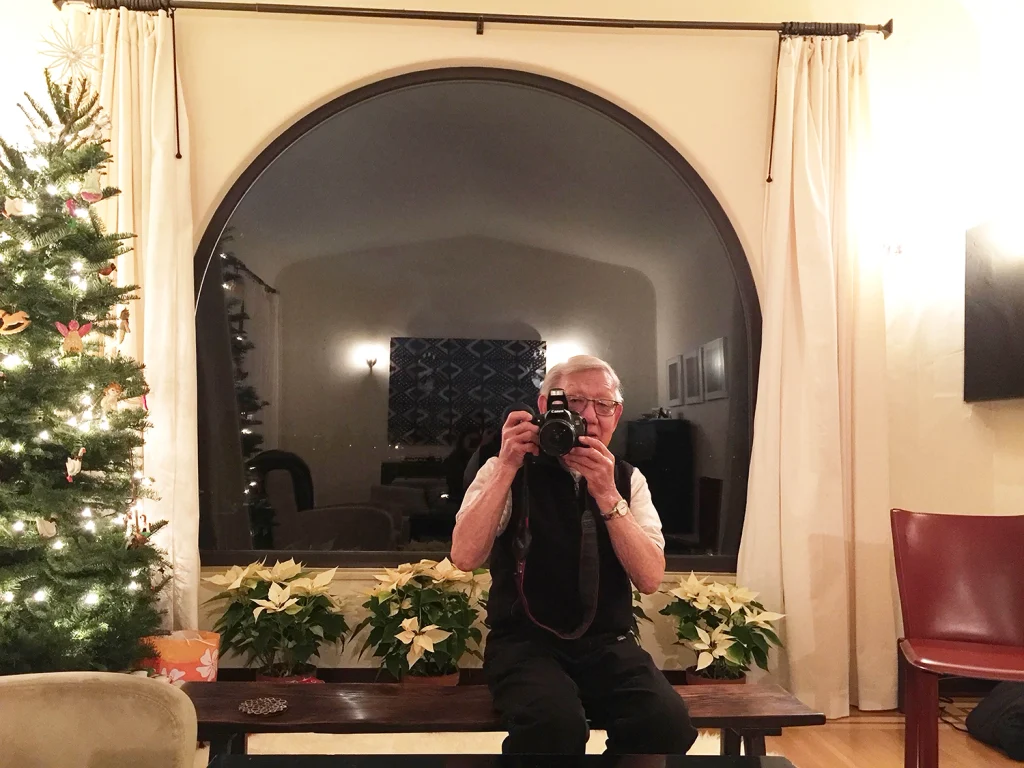
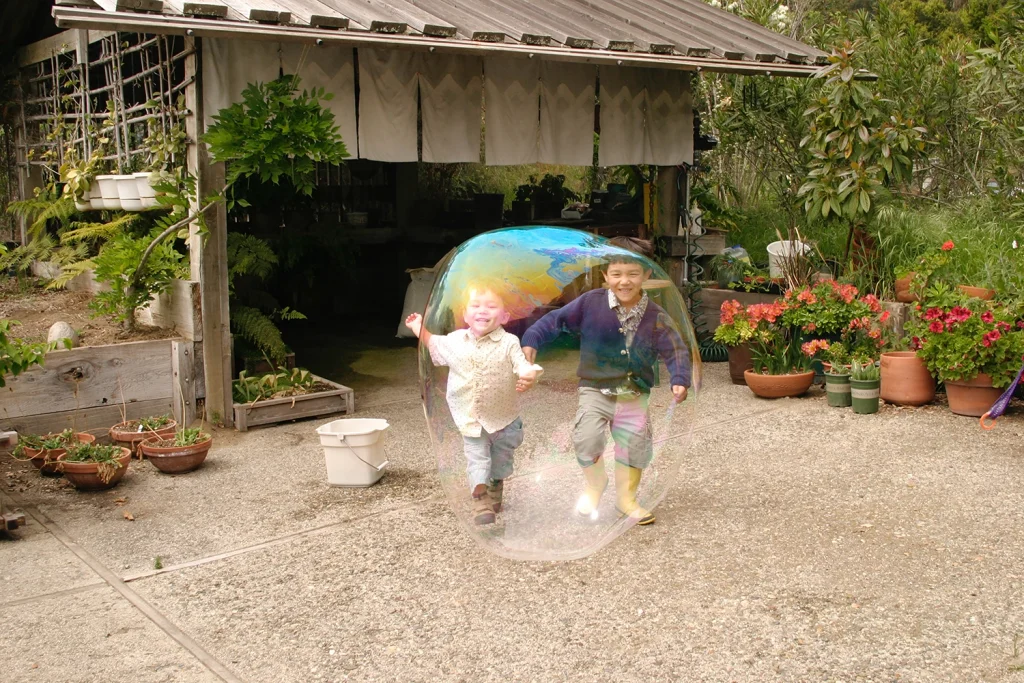
Although skateboarding has played a significant role in Oyama’s life, it is only one part of her story. Her father, Richard Oyama, a professional photographer, helped foster her early interest in the arts and design. He captured some of the earliest photographs of Judi’s skateboarding career, a gesture that held particular significance for her, as professional photographers often declined to photograph her. Beyond documenting her journey on a skateboard, Richard encouraged her creative pursuits by buying her first camera and computer. As he explained when he bought her a computer, “…because that was the future.” He also taught her younger son, Ryan, photography; Ryan took the photograph featured on the exhibition flyer.
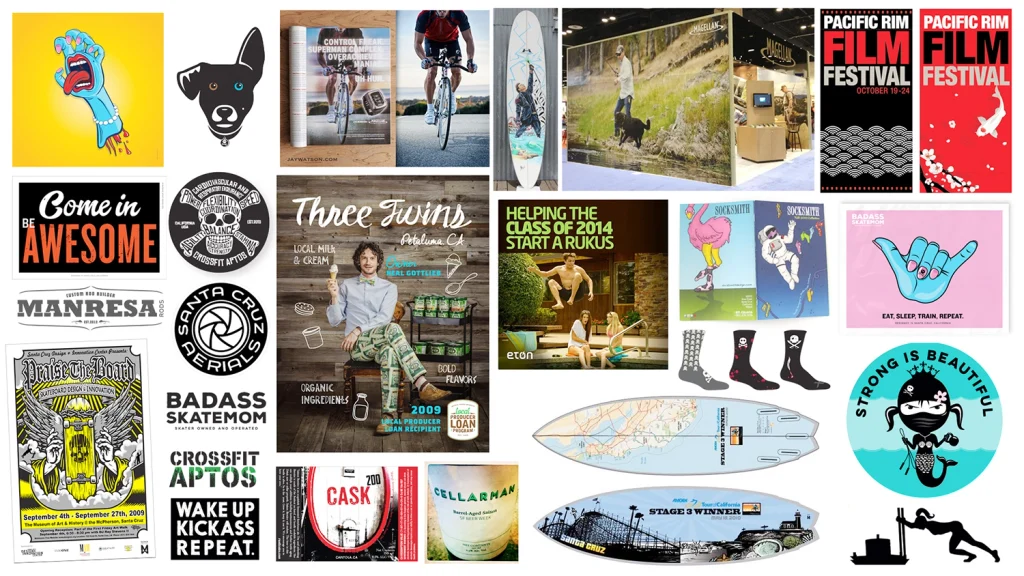
She graduated from San Jose State University with a Bachelor of Fine Arts in Graphic Design and Illustration. She also owns two businesses, Maximum Impact Design and Badass Skatemom, and works as a marketing and purchasing professional at an art store in town. Alongside her professional and athletic commitments, she is also a mother to her sons, Taylor and Ryan.
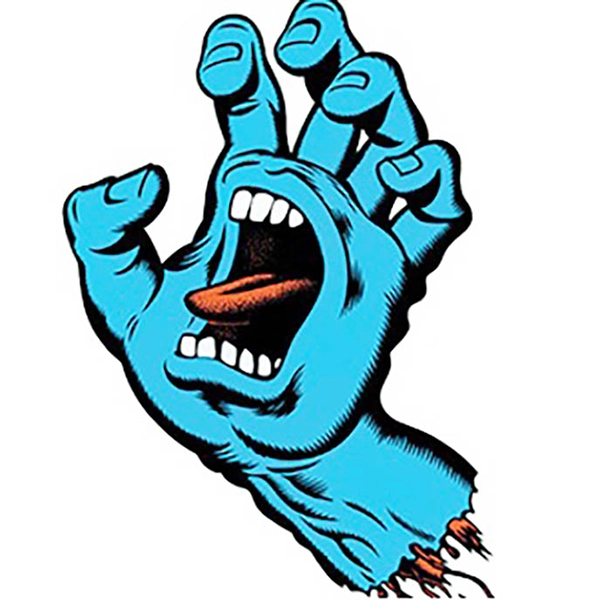
Among her artistic accomplishments, Oyama is particularly proud of a collaborative public art project she created with Jimbo Phillips, son of renowned graphic artist Jim Phillips, creator of the iconic “Screaming Hand.” Jim Phillips’ work is internationally recognized throughout the skateboarding and surfing communities.
In 2005, the Public Art Committee of Santa Cruz invited artists to submit proposals for a new skate park. Oyama proposed a 17-foot concrete wave as a public art installation to the city’s Department of Parks and Recreation. She invited Jimbo Phillips to collaborate with her on the project.
“One of my big projects was when I did the public art wave at our local skate park for the city’s Department of Parks and Recreation. I asked Jimbo if he wanted to work on it together, but I said to him, ‘We’re gonna have to compete against your dad.’ And he goes, ‘Yeah, let’s do it!’”
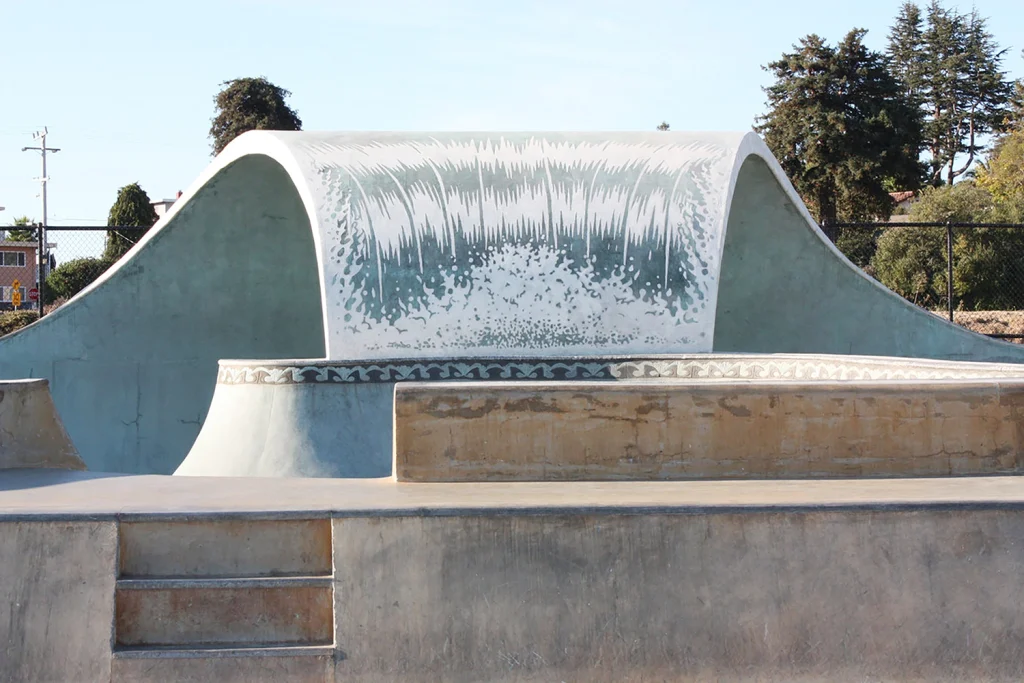
Their proposal was accepted. Working together, the pair along with a sandblasting expert used a sandblasting technique to etch the design into the 17-foot concrete wave before adding color to complete the piece.
For Oyama, the project remains a source of personal pride and happiness.
“And when I drive by it, I’ll smile. That makes me feel good. I’m sure it brings a lot of smiles to people too.”
Beyond her own creative achievements, Oyama takes pride in mentoring graphic designers who have gone on to build successful careers and businesses of their own. Helping others develop their skills and find their place in the industry has become another meaningful part of her legacy.
“Oh, I Do Have a Secret!”
As a final question, we asked Oyama, “Is there anything you’ve never been asked about or mentioned in any of the interviews you’ve done?” She responded with a laugh, “Oh! I do have a secret.”
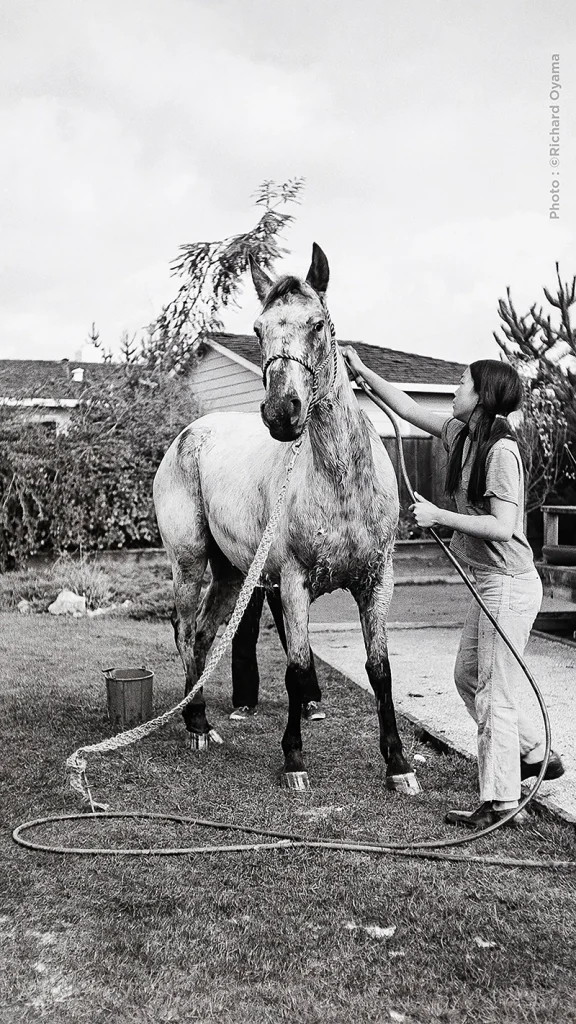
“When I was younger, I had a horse named Rivers. One day, my friend and I brought our horses into the kitchen. I took mine all the way into my bedroom because I wanted him to see my collection of horse statues. After backing him out of the room, we suddenly heard a knock at the door. Thinking it might be one of my parents, we were startled. But when I opened the door, it was just another friend, who asked, ‘What was all of that noise?!’ She had heard the click-clack of the horses’ hooves.”
To Be Seen/Not Heard: Bringing Her Story to the Museum
Oyama’s many interests and experiences will come together in her upcoming exhibition, To Be Seen/Not Heard, at the Japanese American Museum of San Jose (JAMsj) in San Jose’s Japantown opening October 31st.
The exhibition will feature personal objects and artwork reflecting different chapters of her life. Among the planned elements is a recreation of some of her “she shed contents” incorporating a sofa from the workshop and shed at her home. She also hopes to include pieces that appeal to younger audiences, along with a small area dedicated to Leiola and her work.
Working with the museum’s curators to develop the exhibition, Oyama expressed her hope that it would introduce a new generation to the museum.
“We want to do something where it will bring another crowd of younger skaters and artists into the museum,” she explained.
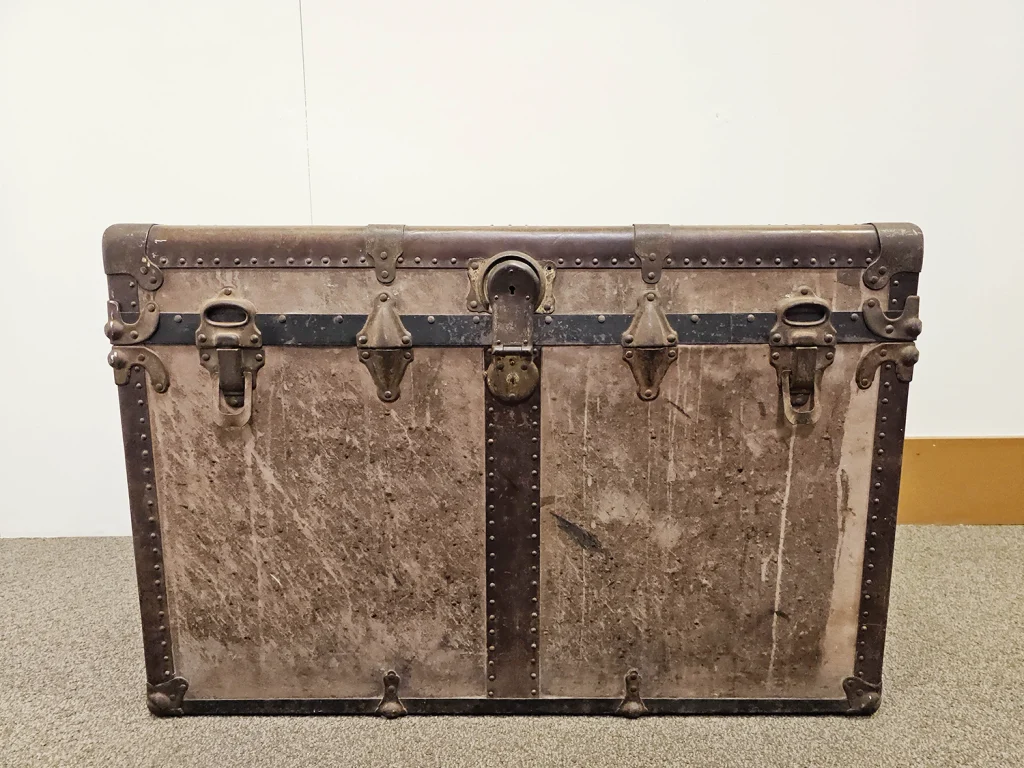
The exhibition will also offer visitors a more intimate look at Oyama’s Japanese American family history. Family photographs, her grandmother’s chest, and an artwork featuring sardines that she is completing for the exhibition will connect her personal story to her family’s roots in Monterey and its sardine industry.
“My dad was born in Monterey, and both of my parents attended Monterey High School, where they met. My grandparents on my dad’s side had a boat and worked in the sardine industry. The Oyamas lost their boat after being sent to internment camp. My dad and all my aunts and uncles worked at the Sardine Factory. So, I’m tying them into the exhibition by doing a painting of sardines,” Judi explained.
Growing up, Oyama knew that members of her family had been incarcerated at Poston during World War II, but her understanding of their experiences was limited to a general awareness of what had happened and that her father mentioned that he could see the guard towers from his room at the barrack. It was only later that she learned more about the family’s history.
Her late father shared more detailed accounts of the family’s wartime experiences with her sons than he had with her. “My dad told my kids more about the experiences in camp that he never told me,” Judi recalled. She was grateful that his stories had been passed down to the next generation, helping preserve their family’s history and ensuring it would not be forgotten.
Through To Be Seen/Not Heard, Oyama is bringing together the many parts of her life: the skateboarder who continues to compete, the artist who creates and mentors, the mother who encourages the next generation, and the daughter who carries her family’s history forward.