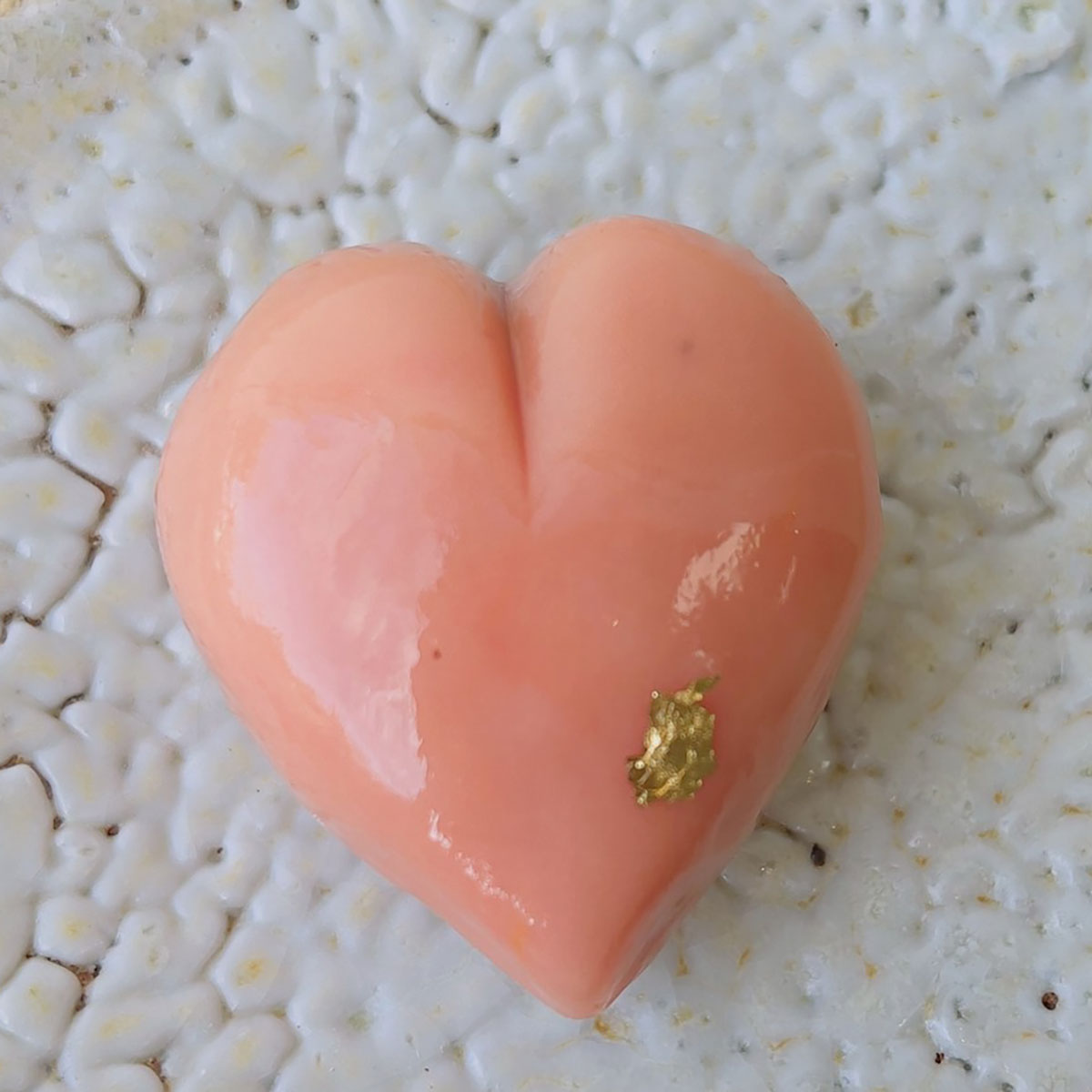
By Diana Narasaki Trujillo
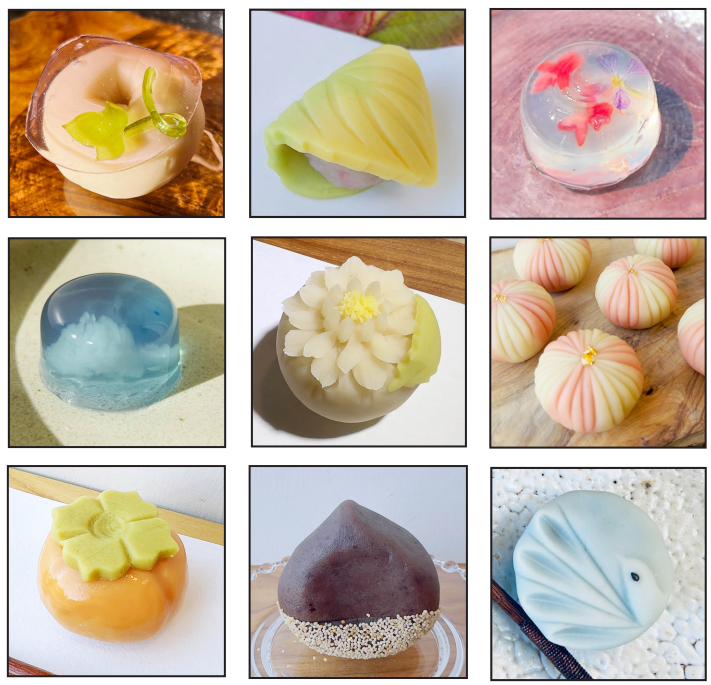
Emeryville, CA – Did you know that manju and mochi are types of wagashi, traditional Japanese sweets? In fact, there are more than 60 varieties of wagashi, and even snacks like arare are sometimes classified within this category.
Many of the wagashi commonly seen today were developed during Japan’s Edo period. If you’ve ever seen delicate, edible flowers made from sweet paste with bean filling at the center, chances are you’ve seen wagashi.
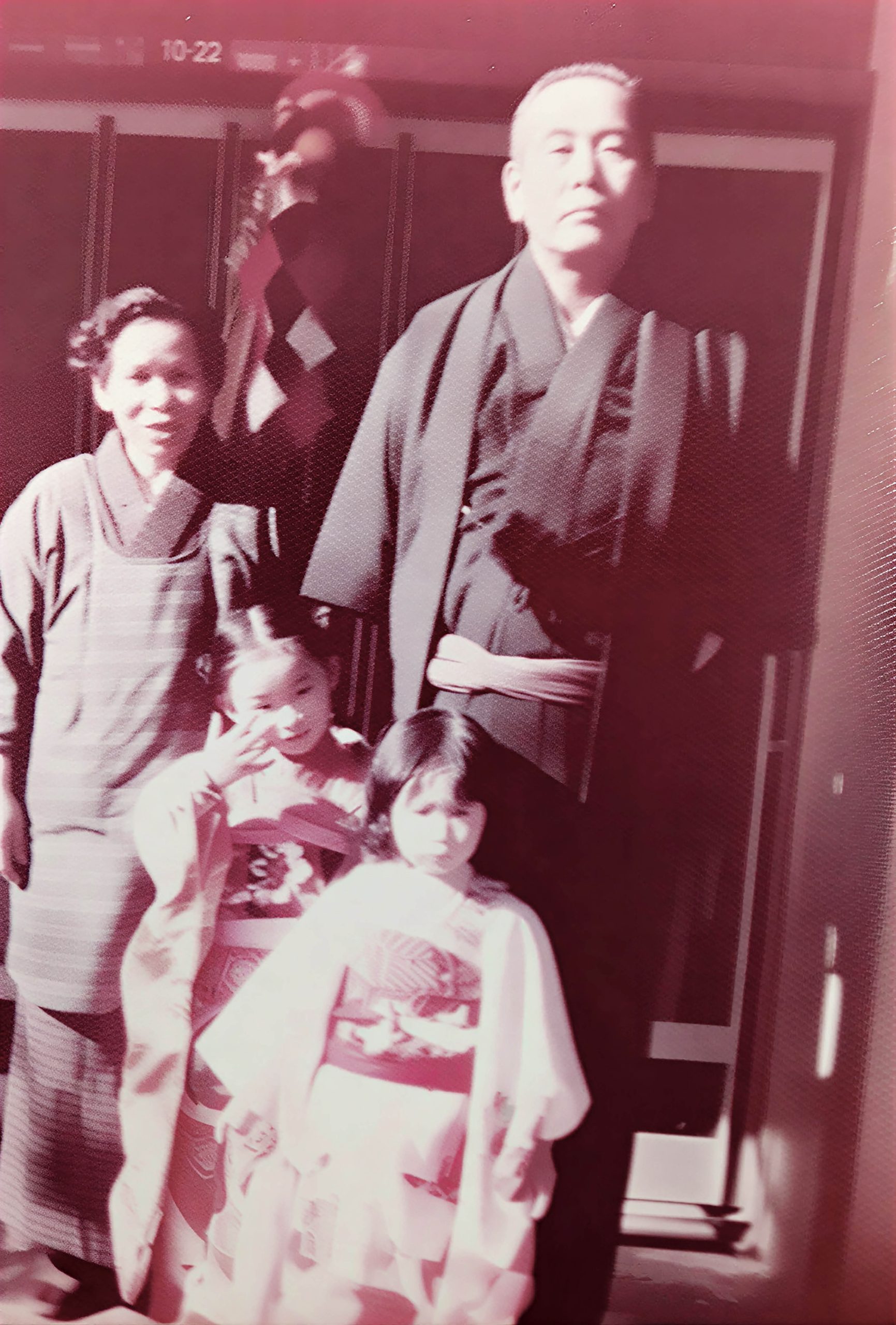
Emeryville resident Mamani Sano grew up in Chiba, Japan, surrounded by these traditional sweets. She remembers family members often making or bringing home different kinds of wagashi for her to enjoy.
Her mother prepared a wide variety of sweets, and Mamani especially recalls her obachan (grandmother) making delicious ohagi—sweet rice
mashed and shaped into rounds, then served with azuki beans—as well as manju. When Mamani wasn’t feeling well, her father would bring home kuzuochi, a soft, jelly-like wagashi dusted with kinako, or roasted soybean flour.
Mamani’s grandmother was also a tea ceremony instructor and taught her the strict rituals and discipline of the practice. Although her grandmother was serious about the lessons, Mamani fondly remembers looking forward to the flower-shaped rakugan sweets that were served alongside the bitter matcha tea.
After graduating and working in various industries in Japan for several years, Mamani wanted to explore other paths which brought her to the Bay Area in 2005.
Today, she works full-time in the food industry using her business degree, but she spends much of her spare time crafting beautiful wagashi for clients, restaurants, cafés, and pop-up food events.
When asked about her training, Mamani admits that her journey into wagashi-making began modestly. During a visit back to Japan, she took a small informal class but didn’t feel she performed very well. Determined to improve, she later enrolled in more intensive courses with teachers in Kyoto and Tokyo, and even studied in Canada with a renowned wagashi instructor. As her skills developed, she found that the process of making wagashi became almost meditative.
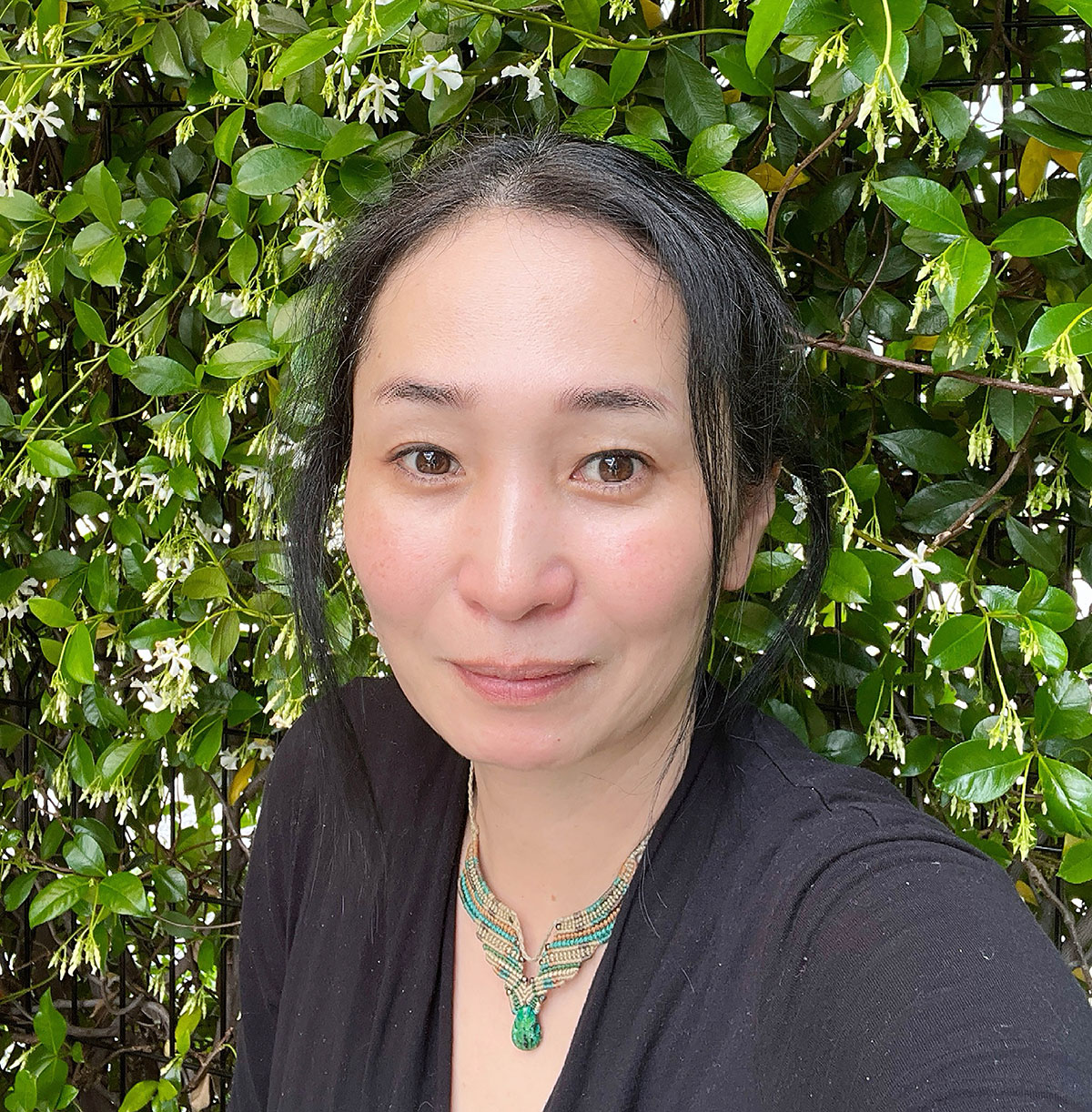
Of the many varieties, Mamani most often creates nerikiri. “It’s made from sweet white bean paste combined with a soft mochi-like dough and shaped into seasonal designs such as flowers or natural motifs,” she explains. “Nerikiri is often served at tea ceremonies as a type of jōnamagashi, or high-grade fresh wagashi.”
Japan celebrates each of the four seasons through festivals, art, and food, and seasonal inspiration plays an important role in wagashi design. Mamani especially loves spring. “There are so many motifs that represent new life—cherry blossoms, young leaves, and the feeling of things beginning again,” she says. Her most requested filling is black sesame, though another popular combination is miso with raspberry. Naturally, flowers are her favorite shapes to create, carefully formed using tools such as scissors, spoons, and fine needles.
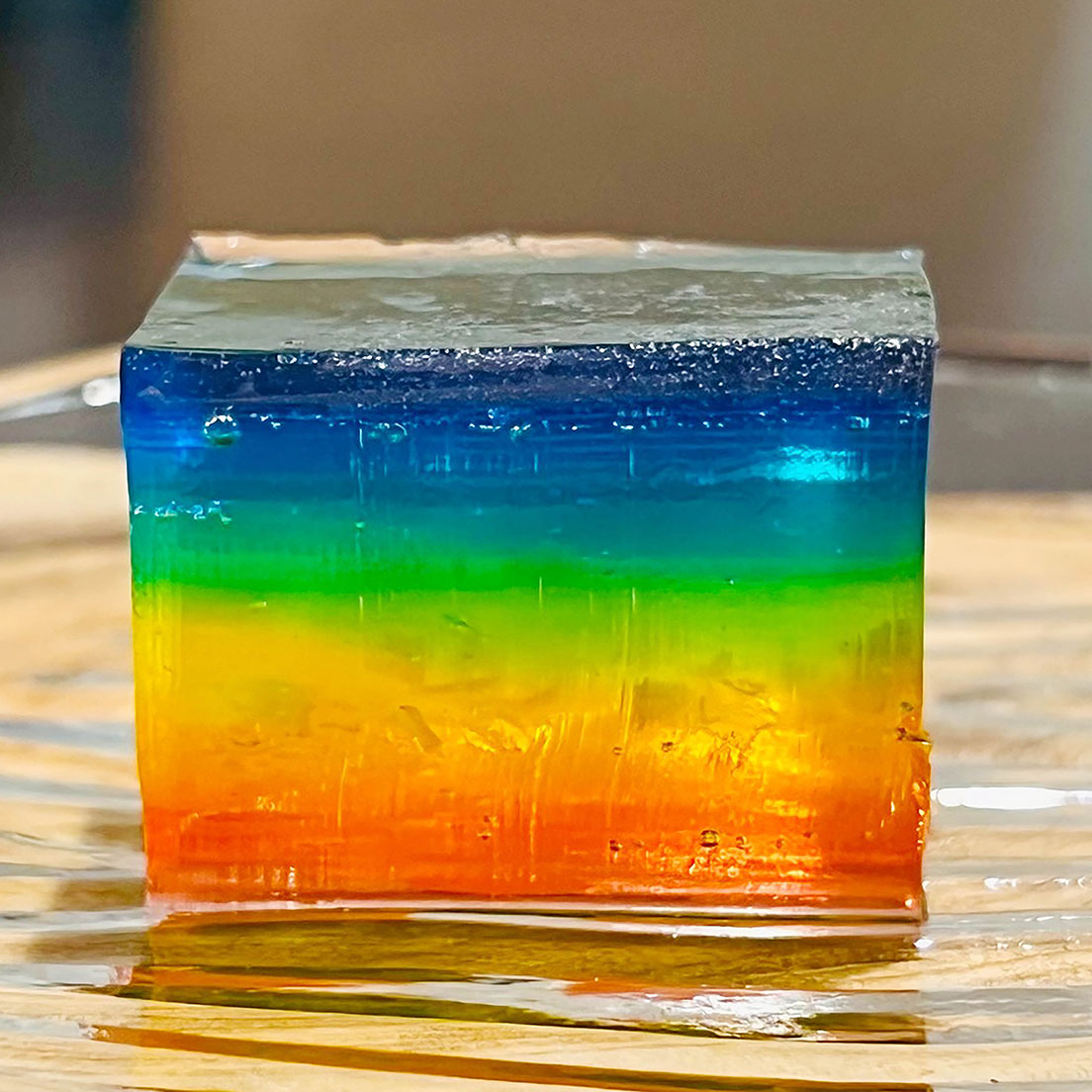
While wagashi-making is deeply rooted in tradition, Mamani sometimes adds her own creative touches. Traditionally, each wagashi has its own name and meaning, often reflecting the maker’s intention, the season, or a historical reference. “I try to respect those traditions,” she says. At the same time, when certain ingredients are difficult to find locally, she adapts. “For example, I once created a rainbow-colored kingyokukan, a clear agar-based wagashi. The idea was inspired by the rainbow colors that symbolize diversity in the Bay Area. I also incorporated Napa Valley wine into the sweet, bringing a local element into the wagashi. While respecting tradition, I enjoy creating
sweets that reflect the culture and place where they are made.” Like small edible works of art, nerikiri require patience and precision. The entire process can take two to three days, beginning with preparing bean paste from dried beans and ending with the careful shaping of each individual piece, often into intricate flower designs.
Why Manami devotes her spare time for wagashi, ”…for me, making wagashi is a way to stay connected to Japan and its culture, and also a way to spend time with myself. When people are eating something delicious, I think they just feel happy, even if it’s only for a moment. In that moment, there’s no conflict—just simple happiness. That’s why I keep experimenting and learning, so I can make wagashi that more people can enjoy, including those with different dietary needs or health concerns. Wagashi can be made with simple ingredients like beans and sweetness, so I have a dream of one day going to places where people are struggling and making wagashi together with them.”
Although Manami’s beautiful culinary works of art are made for businesses, you can find them offered at Forest Tea Bar in Berkeley and at Bar Tanuki pop-ups at Stable Café in San Francisco.