By NikkeiWest Staff
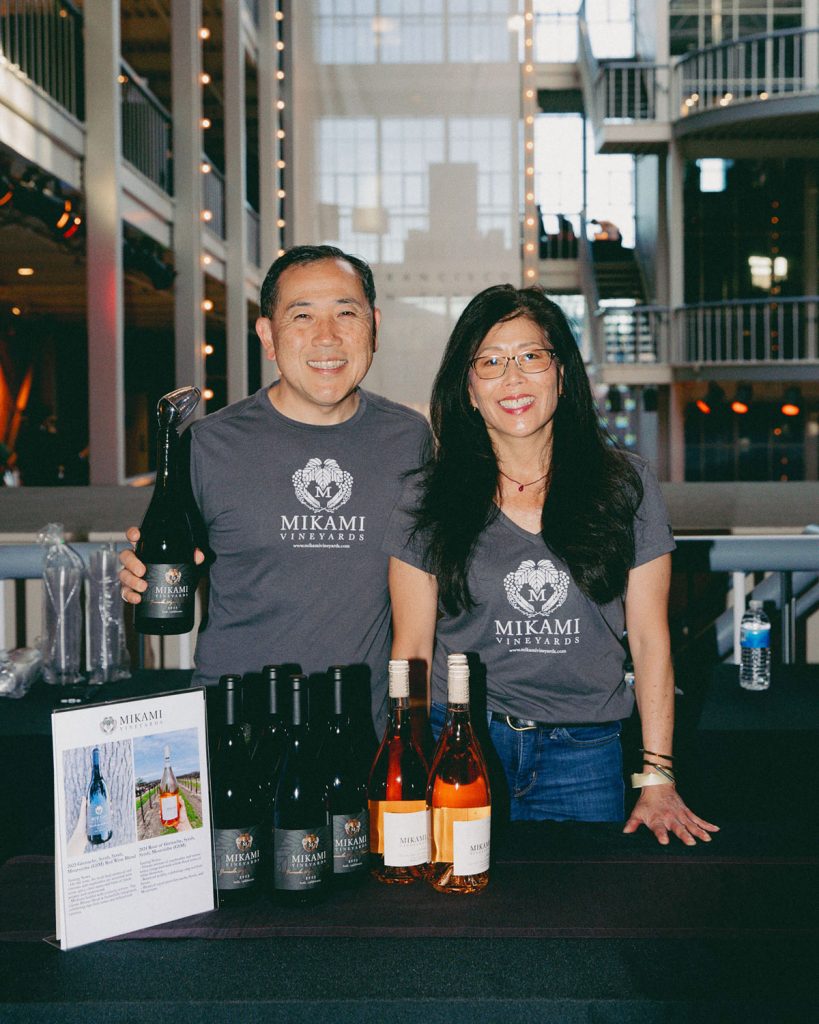
When Jason Mikami walks the vineyard rows his family first planted more than a century ago, he does so with a deep awareness that the land beneath his feet carries far more than vines. It carries memory, survival, and a legacy shaped by perseverance through discrimination, war, and generational change.
“Ever since I was a small child growing up on the vineyard, my mom would remind me of how the Japanese who first immigrated here had such a difficult time purchasing land due to various exclusionary laws,” Mikami said. “Because of that, I feel fortunate to have this opportunity to continue to farm and manage our 15-acre vineyard. Having this opportunity to farm and produce our wines is a privilege that should not be taken for granted.”
Roots Planted Against the Odds
The Mikami family story began in 1896, when Jason’s grandfather immigrated from Japan to California, eventually establishing roots in Lodi — a region that would later become one of the most productive grape-growing areas in the state. The vineyard site itself dates back to 1902, with Zinfandel grown continuously on the property since 1923.
At a time when Japanese immigrants faced widespread anti-Asian sentiment and exclusionary land ownership laws, owning and maintaining farmland required determination, sacrifice, and ingenuity. For many Japanese American families, land represented not only livelihood, but dignity, stability, and a future for the next generation.
That connection to tochi — land — would be tested in the most devastating way during World War II.
Incarceration and Return
Like thousands of Japanese American farming families across California, the Mikamis were forcibly removed from their home and land during the war and incarcerated at the Rohwer camp in Arkansas. While many families never recovered what they lost, the Mikamis returned to Lodi in 1945 and began rebuilding from the ground up.
“If I think about how many Japanese Americans lost everything during the forced relocation to the camps, for me and my wife, Mitzi Onizuka — who is also Japanese American — to be landowners and producing wine under our family label is something I’m sure my grandfather would have been extremely proud of,” Mikami said.
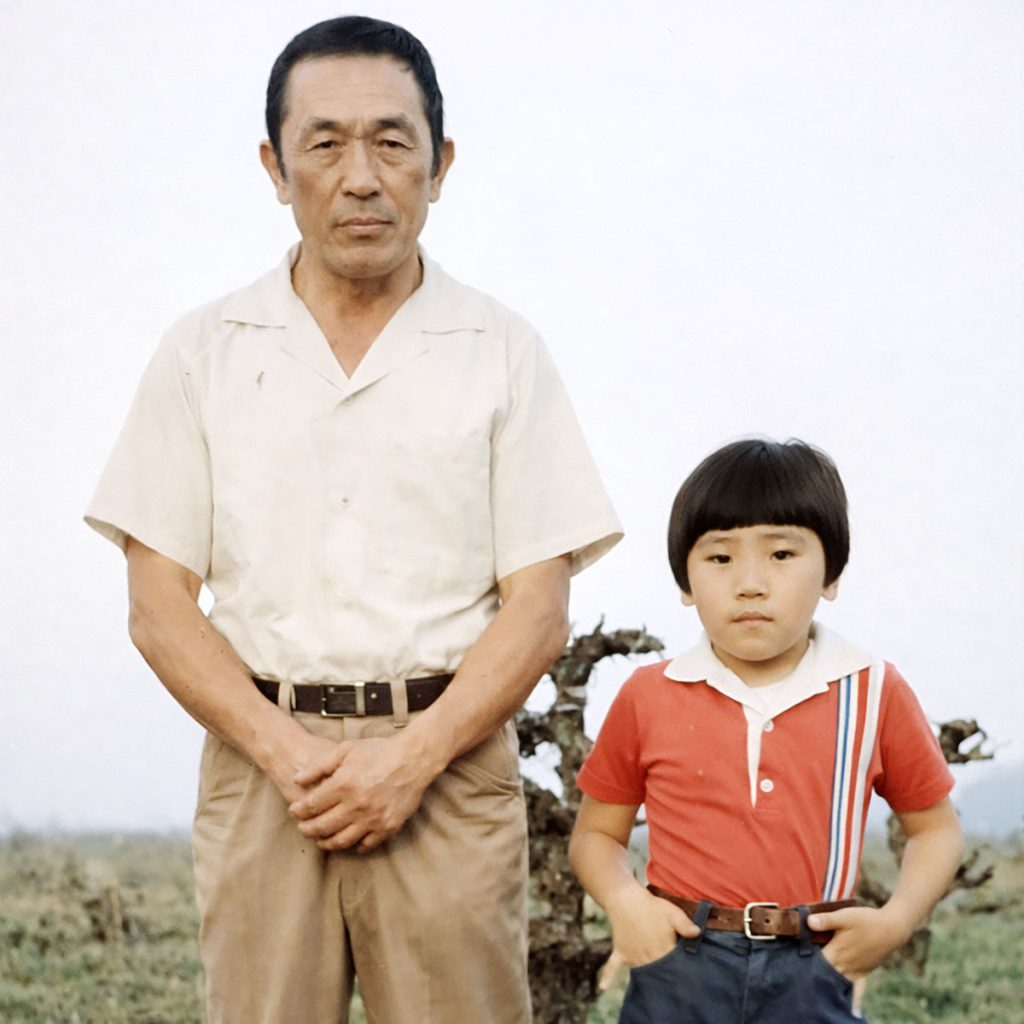
The postwar years were marked by long hours and quiet persistence. Much of the vineyard work was carried out by Jason’s father, the late Jim Mikami, who managed nearly every aspect of the vineyard himself — from pruning and irrigation to field management — well into the latter half of the 20th century.
A Crossroads for the Next Generation
By the early 2000s, the family faced one of its most difficult moments. Following a series of accidents, Jason’s father’s health declined, and the vineyard began to fall into disrepair. For the first time in its long history, the family seriously considered selling the land and stepping away from farming altogether.
“We had come to a crossroads,” Mikami recalled. “But I would remember my mom talking about tochi — land — and how special land ownership is. With that, we decided we needed to continue.”
That decision marked a turning point. Rather than selling, the family chose to reinvent the vineyard’s future by transitioning into an estate winery — producing wine under their own label rather than solely supplying grapes to others.
Jason’s father passed away in 2005, the same year the vineyard underwent a major renovation. The moment was both deeply personal and transformative, setting the foundation for Mikami Vineyards as it exists today.
Farming with Intention
Today, Mikami Vineyards consists of 15 acres of estate vines planted in Mission fine sandy loam, one of Lodi’s most prized soil types. The vineyard benefits from warm daytime temperatures balanced by cooling maritime breezes from the San Francisco Bay, allowing grapes to achieve ripeness while retaining structure and balance.
One of the vineyard’s defining features is its tight four-foot vine spacing, which forces competition among vines and naturally limits yields. But Mikami says the most important practice is one he refuses to compromise.
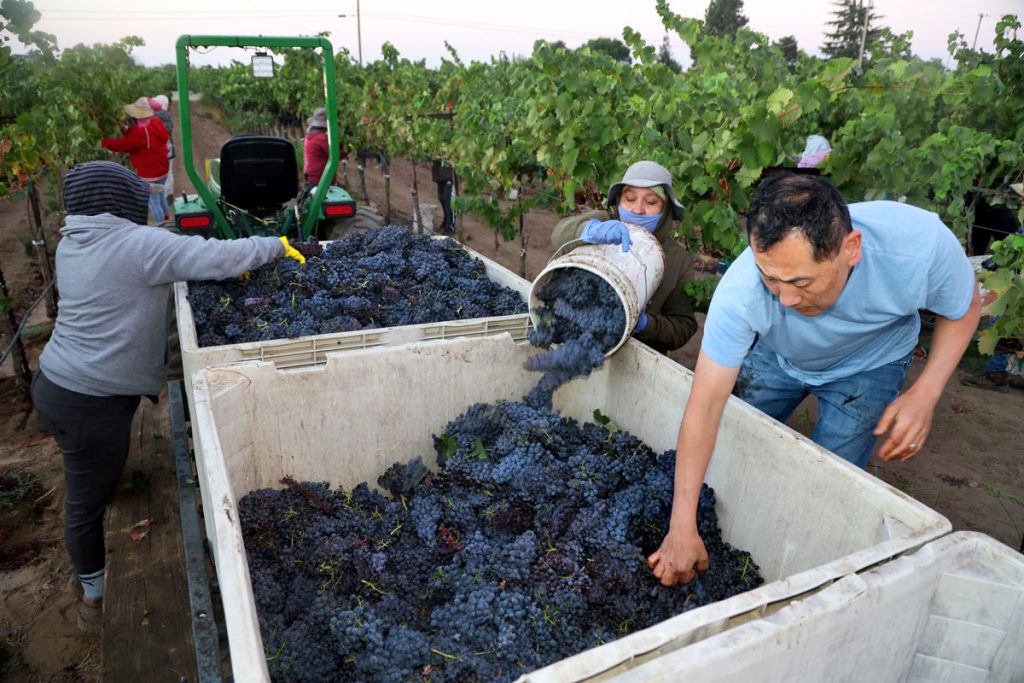
“It is the practice of careful fruit load management,” he explained. “We meticulously choose the best grape bunches and drop the rest. If a vine has too much fruit, the grapes won’t have the concentration and depth we look for. It’s all done by hand — it’s labor-intensive, but it’s one of the most critical steps in our grape growing program.”
That attention to detail carries through every stage of production, reflecting a philosophy rooted in respect for both land and legacy.
Adapting to a Changing Climate
Like many California growers, Mikami Vineyards is navigating the growing challenges posed by climate change. While the vineyard has avoided catastrophic losses, risks continue to increase.
“Early spring frost can devastate a vineyard,” Mikami said. “We’re also seeing earlier harvests — what used to be October is now often early September, sometimes even August.”
Despite these challenges — and broader industry pressures affecting small wineries — Mikami remains cautiously optimistic.
A Small Winery with a Personal Touch
As a small, family-run winery, Mikami Vineyards prioritizes quality over scale. That philosophy extends beyond the vineyard and into every bottle.
“Every single bottle of our Zinfandel releases is hand-numbered and closely inspected by either myself or Mitzi,” Mikami said. “And because our wines are primarily available through our newsletter and not a website storefront, we honestly know nearly 100 percent of our customers.”
That direct relationship with customers mirrors the vineyard’s deeper connection to community — one built on trust, storytelling, and shared values.
Looking Ahead
Looking to the future, Mikami hopes the vineyard will be recognized not only for its wines, but as a living example of how Japanese American farmers overcame discrimination and incarceration to build enduring legacies in California agriculture.
“My hope is that the efforts of today will solidify our reputation as a producer of high-quality wines,” he said.
The couple is also quietly experimenting with what comes next, including potential white wine varietals such as Albariño and Grenache Blanc. They also share a long-term dream of opening a tasting room on the vineyard itself.
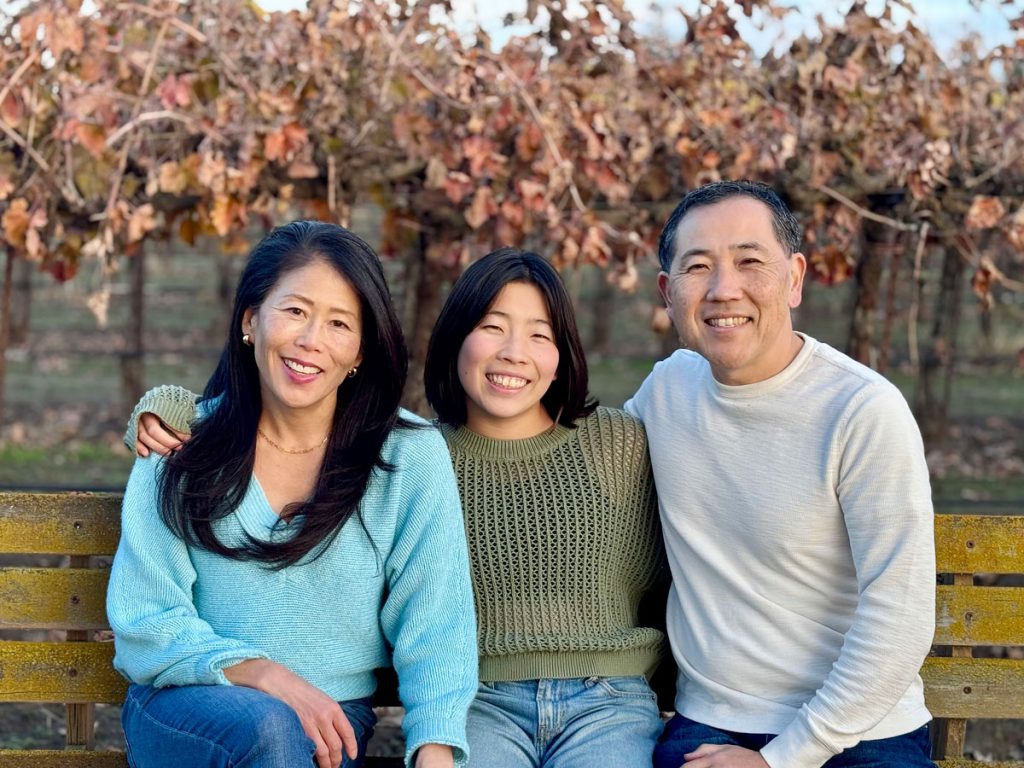
Their daughter, Kate, is graduating high school next year, and they want her to experience the world and discover for herself what her passions and talents are. “Regardless of whether her journey takes her specifically into winemaking, it’s our hope that she’ll carry on the desire to keep the land in the family and to remember the efforts of her ancestors to reach this point.” Mikami explains, “I think it would be amazing for a third-generation Japanese American farmer to welcome people onto this land and share its story.”
For the Mikamis, the vineyard is more than a business. It is a testament to endurance — proof that even after displacement and loss, roots can run deep, and land can once again become home.